Mold Inspection and Removal in Dana Point, CA
Mold inspection and removal in Dana Point starts with evidence of growth and moisture. Ask what needs assessment before you agree to cleanup.
- Inspection before removal
- Moisture checks and containment
- Clear cleanup scope
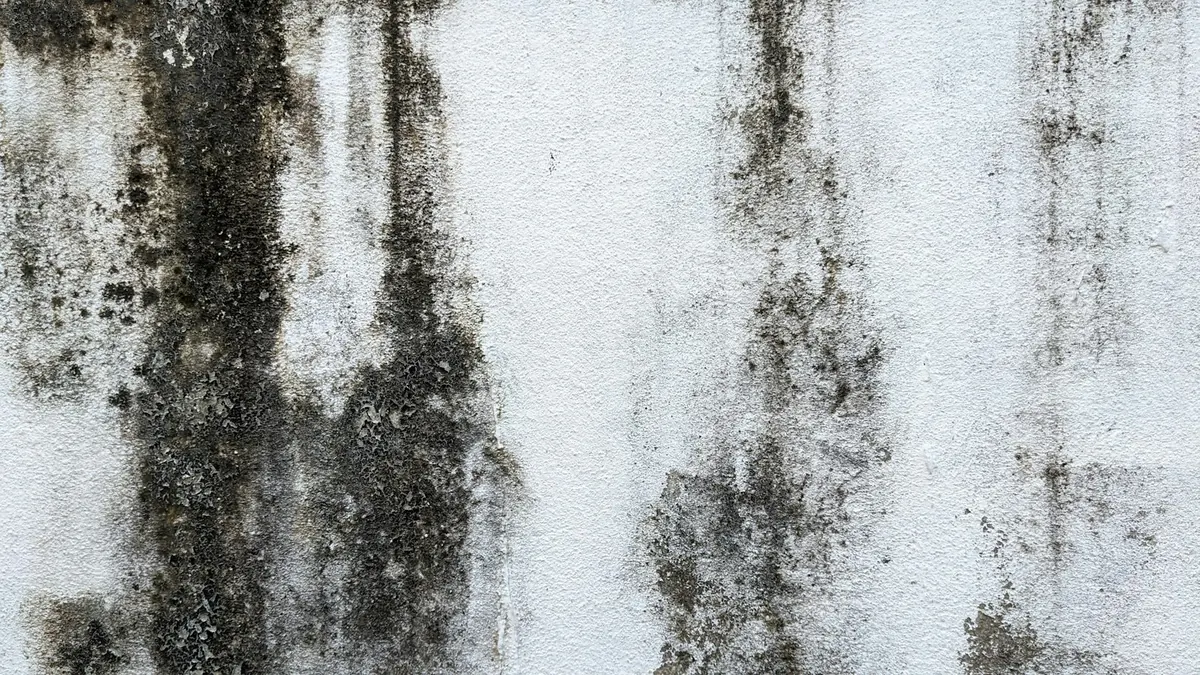
Mold Inspection and Removal in Orange County: What Is Included?
Look for findings that explain why removal is needed and what it includes.
Ask which cavities cannot be reached. Visual checks cover rooms and materials that are accessible. Dampness is traced with a moisture meter; thermal imaging shows patterns but cannot confirm mold.
Ask how further findings would alter your remediation plan and what evidence supports a wall opening. The scope you receive in writing should separate confirmed damage from suspected trouble spots.
- Rooms checked
- Access limits recorded
- Moisture source investigated
- Affected materials mapped

How to Choose Mold Assessment and Cleanup in Dana Point
Who approves changes?
Before more demolition or charges arise, agree on how approval will happen.
What happens if work stops?
During a work stoppage, how will equipment and barriers be managed? Ask.
Who answers questions?
Choose a contact to discuss concerns, progress and access changes while work continues.
Who does each part?
Find out who undertakes repairs, assessment and removal, plus who coordinates transitions between parties.
Reasons to Schedule Mold Assessment in Dana Point, CA
Choose your assessment based on what has changed at home.
Before planned remodeling
Flag past leaks and staining before the area is hidden by finishes. Find out if further investigation is needed for planned work.
After water damage
To prevent mold growth, EPA guidelines recommend drying water-damaged items and areas within 24 to 48 hours.
Before buying a property
Ask about unresolved dampness and locations needing a separate mold assessment noted during the general inspection.
When mold returns
Identify completed moisture repairs for the inspector, along with the boundaries of past cleanup.
Your Orange County Mold Inspection: Steps Beforehand
Arrange access, but keep any suspected growth untouched.
Call (844) 352-3560- Limit incoming water. If safe, stop the fixture from leaking. Keep clear of electrical equipment where wet.
- Avoid disturbing growth. Keep fans off mold, and do not sand, brush or scrape mold.
- Keep suspect HVAC off. Wait for assessment before operating any equipment suspected of containing mold.
- Photograph the damage. Capture dated pictures of damaged items ahead of moving them.
- List affected rooms. Write down previous leaks, persistent dampness and odors for your inspector.
Understanding Your Mold Inspection and Removal Cost in Dana Point, CA
Fixr national ranges help you compare work scopes rather than forecast your bill. Request separate costs for inspection and removal. The publications cover different combinations of tasks, so including testing does not necessarily lower the price of your project.
Inspection plus remediation, average home
$1,950 to $5,800 per jobSource: Fixr, Mold Remediation Cost (checked 2026-10-23)Inspection plus testing plus removal
$1,950 to $3,800 per jobSource: Fixr, Mold Inspection Cost (checked 2026-10-23)Inspection billed separately
$450 to $800 per inspectionSource: Fixr, Mold Remediation Cost (checked 2026-10-23)Understanding Changes to Your Mold Removal Cost
- Access and containment needs
- Drying and retesting
- Samples and lab fees
- Size of affected area
- Material removal and disposal
Your Guide to Using National Mold Cost References
These ranges come from published national cost guides, not from a site visit. Before work begins, you should get an explanation of the property price determined through an on-site assessment.
Ask about cost: (844) 352-3560Your California Mold Cleanup Payment Plan
Before you approve work, ask the insurer what the water damage's cause means for your coverage.
Property records
California's Toxic Mold Protection Act includes a landlord written-disclosure section (Health and Safety Code 26147). By its own wording it applies only after the state adopts mold exposure standards, and the state health department has said it could not set them.
Separate the charges
Get distinct pricing for assessment and repairs as well as mold testing and removal.
Identify the payer
Clarify who signs for the work and who receives invoices.
Rental properties
Under California's housing law, visible mold found by a health officer or code enforcement officer can make a rental substandard. Renters can contact their local health or code enforcement department to ask for an inspection.
Mold Removal Process in Greater Los Angeles: What Happens?
Agree on the order of work based on your inspection results.
Document the mold assessment
Document moisture readings alongside access limits and the visual inspection in your written report.
Set containment
A containment barrier, negative air pressure and poly sheeting appear in your remediation plan as needed. As an air filtration device, a HEPA air scrubber filters air.
Remove damaged materials
Agreed demolition limits guide the cleanup crew, which uses protective equipment.
Clean retained surfaces
Methods assessed for cleanup can include other surface cleaning alongside a HEPA vacuum. Cleaning remains necessary despite antimicrobial treatment.
Dry and clean again
A dehumidifier and controlled air movers are drying equipment used to support drying. Final cleaning removes settled dust.
Opening the work zone follows verification
Complete post-remediation verification before containment comes down. Address unresolved findings before rebuilding.
Which Mold Work Is Needed for You?
Removal and clearance answer different questions than inspection and sampling. Verify the included parts.
| Stage | Purpose and result | When it helps |
|---|---|---|
| Inspection | Locate moisture and document visible conditions. | You need a cleanup scope. |
| Sampling | Lab results come from samples collected through air sampling or surface sampling. | The plan could shift over a particular unresolved question. |
| Removal | Clean or remove affected materials. | Work needs are identified through the assessment. |
| Clearance | Compare completed work with the criteria agreed upon. | Completion needs an assessment by an independent party. |
A separate inspector for clearance testing helps reduce conflict of interest; choose accordingly. Sampling reflects collection conditions; EPA has no federal indoor mold limit.

Discuss Mold Inspection and Removal in Dana Point
Phone at any hour. Talk with a mold inspection and removal specialist about what you are seeing and the steps ahead.
Mold Concerns in Greater Los Angeles
Your next step depends on water source, area size and occupants' needs.
Mold and sensitive occupants
According to CDC, some people may experience allergy and asthma symptoms triggered by mold. Having asthma, a weak immune system or lung disease puts people at higher risk.
Mold color is not a risk test
CDC guidance says color does not tell you how risky a mold is.
Mold spores during removal
Disturbing mold may carry particles outside the affected area. Occupants must stay beyond the work zone.
Can you clean it yourself? For areas under about 10 square feet, EPA says homeowner cleanup is often possible. Seek a professional for HVAC involvement and for larger affected areas.
Understanding Schedule Changes for Mold Cleanup in Orange County
Seek stage targets and their dependencies, not a promise of a set completion date.
- Inspection to scope: Approval may be held up by access permission and lab results required to make decisions.
- Removal to drying: Demolition limits and drying equipment requirements may shift when previously hidden damage appears.
- Verification to repairs: Attend to moisture still present or completion criteria not met before finishes enclose the space.
Mold Cleanup Follow-Up: Moisture Control
Persistent smells warrant questions about moisture and places you cannot access. Odor cannot, on its own, identify where growth is or verify completion.
Your dehumidifier cannot take the place of leak repairs. Mold may return unless the water issue is corrected. Keep relative humidity below 60 percent; the ideal EPA recommendation is 30 to 50 percent.

Requirements for Your Mold Assessment in California
State mold requirements
California has no state license or certification for mold assessors or remediators, according to the California Department of Public Health. General construction work above a small dollar amount does need a license from the Contractors State License Board (CSLB), so it is worth checking a contractor's license there and asking about their mold training.
Demolition and rebuilding
Your proposed repairs may need permits; ask the local building department whether they do.
Property access
Establish who may approve sampling, entry and openings for spaces that are rented or shared.
Official guidance
The California Department of Public Health (CDPH) Air Quality Section publishes mold and dampness guidance and a mold FAQ. CDPH says visible mold, dampness, and mold odor are unhealthy and should be fixed, and that routine mold testing is not needed when mold is visible.
State guidance: CDPH Frequently Asked Questions about Mold; CDPH Statement on Building Dampness, Mold, and Health; California Health and Safety Code 26147 (leginfo); California Health and Safety Code 17920.3 (leginfo)
Scope and Repair Planning
Use the full mold inspection and removal guide to prepare questions about the assessment, scope and next steps for your property.
Read the mold inspection and removal guidePlanning Mold Inspection and Removal in Dana Point
Area housing statistics describe local housing, without showing what condition your property is in. Plan access, moisture repairs and records around what an assessment finds.
Census ACS 2024 5-year (tables B01003, B25003, B25035, B09021 and B25024). Area estimates do not establish conditions at an individual property.
In Dana Point, renters occupy 38 percent of occupied housing units. Record visible damage, note when you first saw it and share any available leak repair records.
The median year built for housing units in Dana Point is 1979. This does not establish your building age or condition. Ask who will repair the moisture source and who will replace any materials removed during cleanup.
Single-family units make up 66 percent of all housing units in Dana Point. Record visible damage, note when you first saw it and share any available leak repair records.
In this community, 22 percent of residents aged 65 or older live alone. Use your own inspection findings to plan repairs and keep copies of the agreed cleanup steps.
Planning Your Property Assessment
- Your property needs a moisture-specific plan that follows the leak into nearby walls, floors, ceilings, insulation, or framing before removal limits are set.
Local Mold Inspection and Removal Information for Dana Point
You can ask about mold cleanup in nearby communities and ZIP codes during the call.
Mold Inspection and Removal in Locations Near Dana Point
ZIP codes
Frequently Asked Questions About Mold Inspection and Removal in Dana Point
Before removal in Dana Point, must you get mold testing?
Not always. EPA notes that sampling is often unnecessary for visible mold. Ask which decision a test result might affect before you spend money on testing. For an unclear purpose, find out if a visual assessment with moisture investigation is sufficient to specify the work.
As a tenant in Orange County, what should you do before scheduling removal?
Contact your landlord or property manager using the usual recorded method, keeping a dated copy of your notice. Ask who has responsibility for inspection authorization, entry coordination and approval of any openings in walls. Keep records of unanswered notifications and proposed access dates. For local responsibility questions, consult the state guidance included on this page.
During mold cleanup, is it possible for you to stay home?
Find out how bedrooms, shared ventilation, bathrooms and exits are affected by the work zone. Discuss household occupants and any requirements for access before work gets underway. Get a plan covering access to rooms you need or alternative accommodation. Containment alone is not a promise that staying is appropriate.
Does your cleanup charge also cover putting walls back?
Do not assume it does. Ask whether drywall removal, disposal, replacement drywall, insulation, paint and moisture repairs are separate line items. Find out who restores individual finishes and when restoration may begin. Use those boundaries when comparing proposals, so unfinished repairs are not hidden behind a lower charge for removal.
Before authorizing work, which questions should you put to your insurer?
Check whether your policy treats rebuilding, retesting, removal and assessment as separate matters. Verify the documents required for a claim, your deductible and any mold sublimit. Check whether damaged materials should remain until an inspection requested by your insurer. A contractor has no authority to decide coverage; record your claim instructions and number.
Which records should you keep after the work?
File completion findings and invoices together with the inspection report, agreed scope and approvals for changes. If samples were collected, keep the laboratory report with collection locations and dates. Ask for excluded work and areas that remained inaccessible to be recorded, allowing a future assessor, repair contractor or buyer to understand the boundaries.
Questions About Mold Inspection and Removal in Orange County?
Calls about mold inspection and removal are answered 24 hours a day, so you can receive clear and practical guidance.